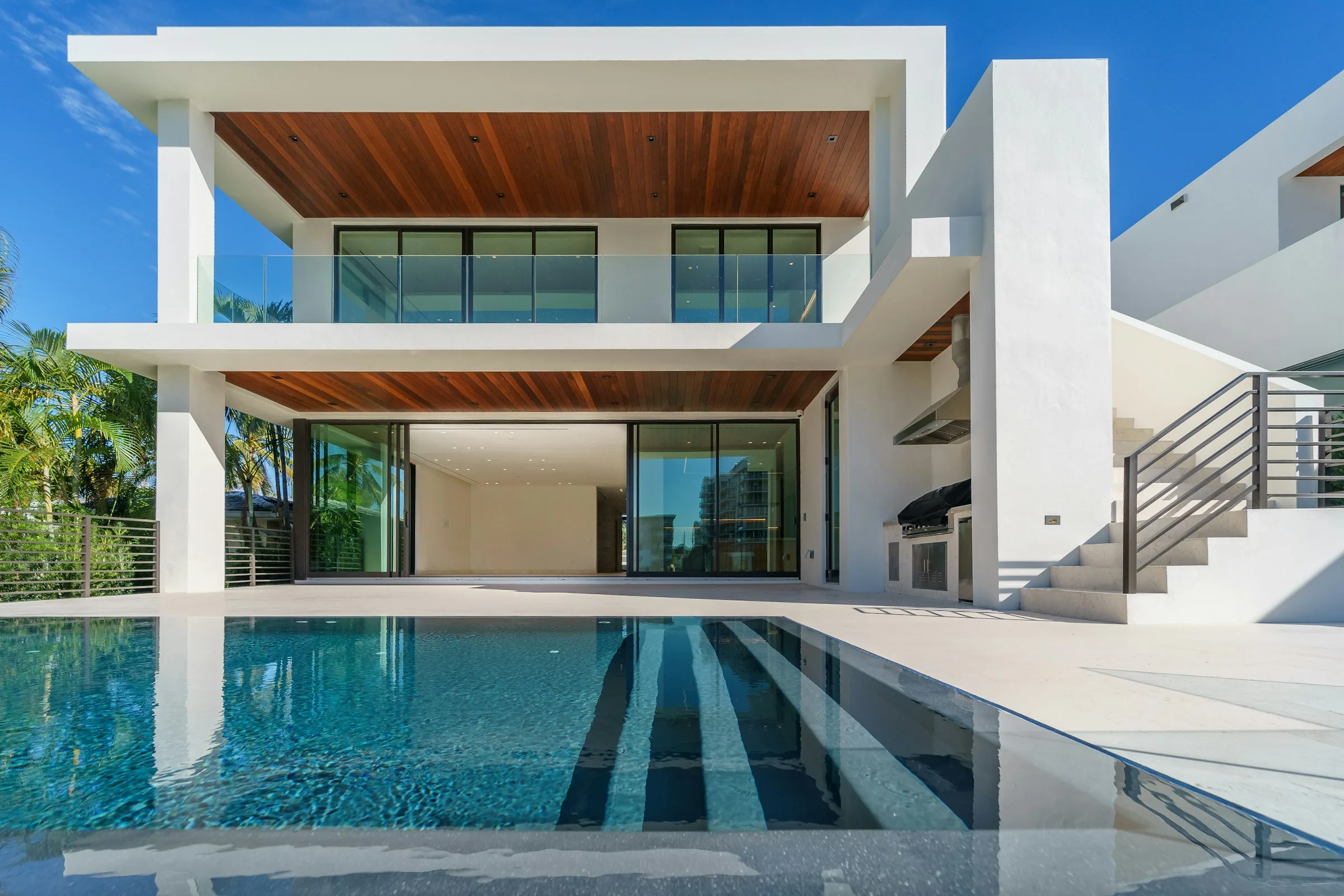
Two markets, one corridor
To a tourist, Punta Cana and Cap Cana feel like the same place — a ~30-mile stretch of Caribbean coast on the eastern tip of the Dominican Republic. Same airport. Same beaches. Same general climate.
To an owner, they’re two different markets with different audiences, different pricing dynamics, and different operating playbooks. Picking the wrong strategy for your property can leave 30-50% of potential revenue on the table.
This guide breaks down the meaningful differences and helps you understand which market your property actually competes in.
Geographic reality
Punta Cana is the broader resort coast — Bávaro, Los Corales, Cocotal, the Hard Rock area. ~60 square miles of beaches, condos, villas, and resorts.
Cap Cana sits at the southern end of this corridor. It’s a 30,000-acre gated development with its own marina, golf course (Punta Espada — PGA Tour Champions venue), private beaches (Caleton, Juanillo), and a strict luxury aesthetic. Inside the gates, the world looks different from outside.
Geographically, Cap Cana is part of “Punta Cana.” Operationally and economically, it’s a different market.
ADR breakdown
Average daily rates illustrate the gap clearly:
| Property type | Punta Cana proper | Cap Cana |
|---|---|---|
| 1-bed condo | $140-200 | $280-400 |
| 2-bed condo/villa | $200-340 | $500-900 |
| 3-bed villa | $300-500 | $900-1,800 |
| 4-bed+ villa | $450-800 | $1,400-2,800 |
Cap Cana commands roughly 2-3× the ADR of comparable Punta Cana properties. This ratio holds remarkably consistently across property types and seasons.
Why the ADR gap
Three structural factors:
1. Audience pre-qualification
Cap Cana’s gates and minimum-spend culture self-select for higher-budget guests. The kind of traveler who chooses Cap Cana is the kind who pays $1,500/night without flinching.
2. Amenity premium
Inside Cap Cana, properties carry membership privileges (Caleton Beach Club, Eden Roc beach, marina restaurants). These compound the perceived value beyond the property itself.
3. Reduced supply density
Cap Cana has stricter HOA aesthetic rules, lower overall property density, and less new-build activity. Less supply at the high end keeps ADRs supported.
Occupancy patterns
Higher ADR doesn’t always mean better economics. Occupancy matters too.
| Season | Punta Cana | Cap Cana |
|---|---|---|
| Peak (Dec-Apr) | 85-92% | 88-94% |
| Shoulder (May-Jul) | 75-82% | 70-78% |
| Low (Aug-Nov) | 55-68% | 50-62% |
Punta Cana wins on year-round consistency. The audience is broader and more diverse, so even shoulder/low season holds better than Cap Cana.
Cap Cana wins on peak — but the low season hits harder because the luxury audience is more event-driven (golf, holidays) and less impulse-travel.
Audience profile
Punta Cana proper:
- 60% North American (US/Canada heavy)
- 25% European (UK, France, Germany, Spain)
- 10% Russian / Eastern European
- 5% Latin American
Cap Cana:
- 50% North American (skewing affluent, multi-generational)
- 30% European (premium-leaning, luxury travel)
- 15% Latin American (Mexican, Colombian, Brazilian wealth)
- 5% Russian / Other
The Cap Cana audience also skews:
- Older (40-65 vs Punta Cana 30-50)
- Family-heavier (multi-bedroom villas dominate)
- Longer stays (avg 7-10 nights vs 4-6 in Punta Cana)
- More repeat-visit (40% repeat in our Cap Cana portfolio vs 18% in Punta Cana)
Operating costs
Cap Cana costs more to operate. Concierge expectations, daily on-property staff, vendor security clearances, and maintenance standards are all elevated.
Typical management %:
- Punta Cana: 15-20% (CHM Operations or Full Management package)
- Cap Cana: 30% (CHM Villa Concierge package)
Typical fixed costs (passed through, not marked up):
- Cleaning: $80-120/turnover (Punta Cana) vs $200-400/turnover (Cap Cana)
- Maintenance: $200-400/month (PC) vs $500-1,200/month (CC)
- HOA: Variable by community in both, but Cap Cana HOAs typically 1.5-2× Punta Cana HOAs
The higher operating cost in Cap Cana is offset by higher ADRs. The math works for properties that can sustain the luxury positioning. It doesn’t work for properties that can’t.
Which market is your property in?
Here’s a rough decision tree:
You’re in Punta Cana proper if:
- Your property is outside the Cap Cana gates (Bávaro, Los Corales, Cocotal, etc.)
- ADR target $150-500/night
- Aiming for steady year-round occupancy
- Audience is broad (couples + families + groups)
You’re in Cap Cana if:
- Your property is inside the Cap Cana gates
- ADR target $700+/night
- Aiming for premium ADR over volume
- Audience is affluent (4+ bedroom families, golf groups, milestone trips)
Edge case: Cap Cana-adjacent properties. Some properties just outside the gates (Punta Espada area, Juanillo Beach adjacent) can position upward toward the Cap Cana audience but with Punta Cana operating costs. These are often the best ADR-economics properties in the corridor — if you can pull off the positioning.
Which one is “better”?
Wrong question. Better question: which is right for your property?
Punta Cana wins for:
- Buy-and-hold investors who want steady cash flow
- Owners who can’t justify Cap Cana’s operating costs
- Properties that don’t have luxury positioning (and won’t, even with renovation)
Cap Cana wins for:
- Owners with high-ADR-capable properties willing to invest in premium operations
- Investors looking for ADR maximization over volume
- Properties already inside the gates where the ecosystem premium is automatic
Most of our portfolio is Punta Cana proper (broader market). Our Cap Cana properties are smaller in number but contribute disproportionately to revenue per property.
What we do at the free property analysis
When you submit a property in this corridor, our 48-hour analysis includes:
- Sub-market positioning. Which exact micro-market is your property competing in.
- Comparable analysis. Real ADR / occupancy data from comparable properties.
- Strategy recommendation. Punta Cana volume play, Cap Cana ADR play, or Cap Cana-adjacent edge case.
- Package recommendation. Operations / Full Management / Villa Concierge based on the strategy.
- Realistic revenue projection. Year 1, year 2, year 3 — what we’d actually project.